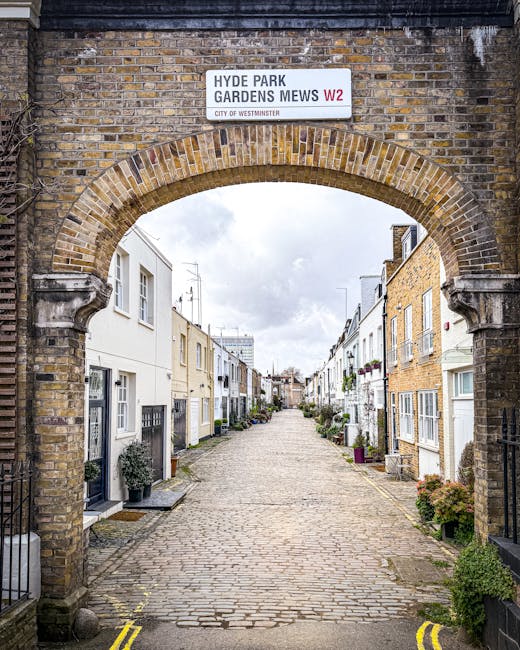
Removals near Kensington Gardens parking and access tips

If you are planning a move around Kensington Gardens, the difference between a calm day and a chaotic one often comes down to parking, timing, and access. Streets can be tight, bays can be limited, and one small delay can ripple through the whole move. That is why Removals near Kensington Gardens parking and access tips matter so much: they help you avoid avoidable stress, protect your belongings, and keep everyone moving in the same direction. In this guide, we will walk through the practical details that matter on the day, from vehicle access and loading etiquette to planning for narrow roads, visitor restrictions, and those awkward moments when the lift is small and the sofa is not.
Truth be told, a good removal in this part of London is less about strength and more about preparation. And a little local know-how goes a very long way.
Why Removals near Kensington Gardens parking and access tips Matters
Kensington Gardens sits in one of the busiest and most sensitive pockets of central London. That alone changes how a move feels. You are not just booking a van and turning up; you are dealing with road space, nearby traffic flow, timed access windows, building entry points, and possibly shared courtyards or managed estates. If any one of those pieces is overlooked, the whole schedule can slip.
For residents, the risk is usually simple: a vehicle cannot stop where you hoped it would. For movers, the challenge is more layered. They may need to park a little further away, work with lift bookings, protect floors, and manage loading without blocking traffic or causing friction with neighbours. It sounds small until you are standing by the kerb with a wardrobe in one hand and a building intercom that is not doing you any favours.
This is also why access planning matters for costs. If the crew has to make multiple long carries, wait for parking to free up, or return at another time, the move can take longer than expected. Better planning is not just convenient; it is often the difference between a tidy move and a drawn-out one.
How Removals near Kensington Gardens parking and access tips Works
A well-run move in this area usually starts before moving day. The process is a chain of small decisions: where the vehicle can stop, how far the carry distance is, whether there is loading access, and whether the building needs a lift booking or security sign-in. None of this is glamorous. All of it matters.
In practice, the best approach is to think in three layers:
- Street access: Can a van or truck stop close enough to the property without causing problems?
- Building access: Are there steps, narrow halls, controlled entry points, or lift restrictions?
- Item access: Do large or fragile pieces need special handling, disassembly, or extra protection?
Many moves near Kensington Gardens work best with smaller, more manoeuvrable vehicles, especially where roads are tight or parking is uncertain. In some cases, a man and van service is the practical choice for lighter homes or short-distance moves. For bigger loads, a more organised setup such as moving truck support or removal truck hire may be better, provided the access is workable.
The real point is not to force the largest vehicle possible into a difficult area. It is to match the vehicle and crew to the street, the building, and the volume of belongings. Sounds obvious. Yet people still get this wrong all the time.
Key Benefits and Practical Advantages
Good parking and access planning brings a few very real advantages. Some are obvious, some less so.
- Less waiting time: A clean stop near the entrance means fewer delays and fewer disrupted schedules.
- Lower handling risk: Shorter carry distances reduce the chance of knocks, drops, or tired lifting.
- Better building relations: Neighbours and concierge teams tend to respond better when the move looks controlled.
- More predictable costs: When the route and loading point are clear, the job is easier to estimate fairly.
- Less stress on the day: That is no small thing. A move already has enough moving parts.
There is also a comfort factor that gets overlooked. If you know the van can park nearby, the move feels less like a scramble. Boxes come out in order, furniture goes in safely, and you are not doing the strange half-run, half-walk that everyone does while carrying a lamp base and pretending not to be flustered.
When access is particularly tight, a service built around flexible handling can help. For example, man with van support is often chosen for smaller homes or single-item moves, while full home moves are better for larger inventories and households that need a more structured process. If you are moving delicate pieces, you may also want to combine the move with packing and unpacking services so the crew can work more efficiently once access is sorted.
Who This Is For and When It Makes Sense
This guide is useful if you are moving from a flat, townhouse, mansion block, serviced apartment, or any property close to Kensington Gardens where parking is not straightforward. It is also relevant if you are moving into an office, studio, or commercial space nearby and need to avoid disrupting the street or building entrance.
You will especially benefit from this approach if any of these apply:
- You have limited loading time or a fixed moving slot.
- Your building has controlled access, concierge procedures, or lift bookings.
- You own large furniture that will need careful carrying through tight spaces.
- Your road is narrow, busy, or often occupied by resident vehicles.
- You are coordinating a same-day move, furniture pick-up, or delivery alongside other commitments.
It also makes sense for landlords and letting agents who want smoother handovers. A move that starts on time and does not block the street is much easier for everyone involved. If you handle property regularly, a relationship with house removalists who understand local access conditions can save a lot of back-and-forth.
Commercial moves have their own rhythm too. If you are relocating a small business near the gardens, the issue is not just where the truck parks, but how staff, equipment, and service entrances are managed. In those cases, commercial moves and office relocation services are worth considering because they are designed around continuity, timing, and less disruption. Different job, same access headache, really.
Step-by-Step Guidance
Here is a practical way to plan a move near Kensington Gardens without leaving everything to chance.
- Map the property access. Check whether the entrance is on a main road, side street, mews lane, or courtyard. Note any steps, gates, or height restrictions.
- Check parking realities early. Do not assume the van will stop right outside. In central London, "nearby" and "usable" are often two different things.
- Measure the large items. Sofas, wardrobes, mattresses, and dining tables need special attention. If something barely fits through the doorway, that is a problem best found on Tuesday, not moving day.
- Ask about building rules. Confirm lift booking times, loading instructions, and any security sign-in or key collection process.
- Decide on the right vehicle size. A smaller vehicle may be more practical than a larger truck if parking is tight or access is unpredictable.
- Plan the loading sequence. Put the heaviest items in first and keep essential items easy to reach. It makes unloading less chaotic.
- Prepare a fallback point. If the front of the building is blocked, identify a safe alternative stop nearby. This simple step can save the day.
- Build in a little buffer. London traffic and pedestrian flow do not always read the schedule. Give yourself a small margin. It helps.
If you are moving only a few items or a single furniture piece, a targeted option like furniture pick-up can be a neat solution. It keeps the process lean and avoids paying for more vehicle space than you need.
For bigger homes, the best results usually come from combining proper planning with the right support team. That might mean house removalists, a moving truck, or a simple van arrangement depending on volume. There is no prize for overcomplicating it.
Expert Tips for Better Results
After enough moves in central London, a few patterns become hard to ignore. The jobs that go smoothly are rarely the ones with the fanciest packing paper. They are the ones where somebody thought ahead.
- Choose an early arrival window. Morning access is often easier before the streets get busier and parking becomes a contest.
- Keep one person responsible for access decisions. Too many cooks, as they say, and nobody is sure who is speaking to reception or guiding the van.
- Use colour-coded labels. It sounds small, but it speeds up unloading when rooms and priorities are obvious at a glance.
- Protect the route, not just the items. Hallways, communal flooring, and door frames deserve attention too.
- Leave fragile pieces until the end. Mirrors, artwork, and glass shelving are easier to handle once the bulk of the load is out of the way.
- Keep a spare bag of basics. Keys, chargers, kettle items, medication, and a change of clothes should not disappear into the general migration of boxes.
One small but useful habit: walk the access route with the crew before anything heavy moves. You will notice hazards that are easy to miss on paper, like a tight corner, a shallow step, or a door that swings awkwardly. That five-minute walk can prevent a much longer delay.
If the move spans a full day or includes storage in the mix, get clear on timing. A vehicle waiting in the wrong place while everybody hunts for a key is the sort of thing that feels minor until the clock starts eating into your slot.
Common Mistakes to Avoid
A lot of moving trouble near Kensington Gardens comes from assumptions. Not bad planning as such. Just optimistic planning. The sort that says, "It should be fine," without testing whether it actually is fine.
- Assuming parking will be available at the front door. It often is not, especially during busy periods.
- Booking a vehicle that is too large for the street. A bigger truck is not better if it cannot stop safely.
- Ignoring building access restrictions. Lift booking rules, concierge sign-ins, and loading limits can all affect the schedule.
- Not measuring bulky furniture. This one causes more headaches than people expect.
- Leaving packing too late. Late packing creates confusion, and confusion slows down access work.
- Forgetting to tell neighbours or building staff. In shared buildings, a little advance notice helps keep the day calmer.
Another common issue is underestimating how tiring repeated short carries can be. A route that looks manageable on the phone may feel completely different after the fifth trip in a corridor with a heavy chest of drawers. By then, even the kettle sounds tired.
If your move involves a business premise, the same logic applies. A rushed office departure creates knock-on issues for staff, equipment, and client-facing work. Structured support such as office relocation services can reduce those risks, especially where access and timing are tightly controlled.
Tools, Resources and Recommendations
You do not need a huge toolkit to make a move work, but the right basics help a lot.
| Item | Why it helps | Where it fits |
|---|---|---|
| Measuring tape | Checks doorways, lifts, and furniture dimensions | Before booking and on access walk-throughs |
| Labels and marker pens | Makes room-by-room unloading faster | Packing stage |
| Floor and door protection | Reduces scuffs in shared or narrow spaces | Building entry and internal routes |
| Strong tape and wraps | Keeps boxes and delicate items secure | During packing and loading |
| Checklist on paper or phone | Helps keep access tasks in order | Day-before and moving day |
Good service choices matter too. If your move is small and nimble, man and van or man with van can be an efficient fit. If you need a larger vehicle but still want flexibility, removal truck hire may suit the job better. And if you are moving part of a household rather than everything at once, a well-planned home moves approach gives you a stronger framework for timing and access.
There is also something to be said for choosing a team that explains its process clearly. If you want to understand the people behind the service, it is reasonable to review their about us information before you book. And if you are sorting dates or have questions about what is included, use the contact us route rather than guessing. A brief conversation can clear up more than ten email threads ever will.
Law, Compliance, Standards, or Best Practice
Removals in central London sit within a practical framework of traffic rules, building rules, and common-sense safety expectations. You do not need to become a transport lawyer to move house, but you do need to respect the basics.
In general, best practice includes:
- parking only where it is permitted and safe to do so;
- avoiding unnecessary obstruction of other road users or pedestrians;
- following building management instructions for lifts, loading bays, and entrances;
- using sensible manual handling methods to reduce injury risk;
- protecting floors, walls, and door frames in shared spaces.
Where permits, restrictions, or controlled access apply, it is wise to verify details directly with the relevant property manager or local authority before moving day. Rules can vary by street and building, and assumptions are rarely helpful here. Better to ask a boring question than to stand in the road with a trolley at the wrong time.
For business moves, keep in mind that office buildings often have stricter procedures than residential ones. Security checks, booking slots, lift protection, and fire route protection can all come into play. The smoother your paperwork and communication, the less likely the day is to stall.
Options, Methods, or Comparison Table
The right moving setup depends on volume, access, and how close the vehicle can reasonably get to the property. Here is a simple comparison to help you think it through.
| Option | Best for | Strengths | Watch-outs |
|---|---|---|---|
| Man and van | Small moves, single rooms, light furniture | Flexible, practical, easy to manoeuvre | Not ideal for very large loads |
| Man with van | Similar jobs where handling help is needed | Simple setup, useful for access-heavy streets | May need extra trips for bigger loads |
| Moving truck | Medium to larger home moves | More load space, efficient for fuller properties | Needs better parking and access planning |
| Removal truck hire | Moves requiring a dedicated vehicle | Good for organised, larger-scale relocations | Street access must be checked carefully |
In real life, the choice often comes down to the last two columns. Can the vehicle stop nearby? Can the crew work safely? Will the route stay clear enough to keep the move moving? If the answer is yes, you are in good shape. If not, scale the plan down a notch and make it simpler.
Case Study or Real-World Example
A typical example is a two-bedroom flat move near Kensington Gardens with one large sofa, a bed frame, several boxes, and a couple of fragile mirrors. The property is in a managed building with a lift booking window and a narrow street outside. On paper, it looks straightforward. On the ground, it is more delicate.
In a situation like that, the sensible plan is usually to arrive early, secure the best available stopping point, and keep the loading order tight. The sofa goes in only after measurements confirm it will clear the corridor. Mirrors are wrapped and left until the crew is ready for them. A second person stays in touch with building staff so there is no confusion over lift access. Nothing dramatic, just disciplined work.
When this kind of move goes well, it is because the team has already answered the awkward questions. Where will the van stop if the first space is taken? What happens if another vehicle blocks the entrance? Which item is most likely to catch on a corner? Once those questions are answered, the whole day feels less like improvisation and more like a plan unfolding.
That is the real value of access planning. It quietly removes friction before you ever feel it.
Practical Checklist
Use this checklist the day before your move. It is simple, but it catches a lot.
- Confirm the moving time and arrival window.
- Check parking or stopping arrangements near the property.
- Make sure building access instructions are clear.
- Reserve any lift or loading slot required by the building.
- Measure bulky furniture and note fragile items.
- Label boxes by room and priority.
- Keep essentials separate and easy to reach.
- Protect floors, corners, and door frames where needed.
- Share contact details with the moving team.
- Prepare a backup plan if the closest stop is unavailable.
If your move has any special requirements, such as a furniture-only job or a short-notice collection, keep the plan lean. A service like furniture pick-up can be useful for isolated items, while a full home or office move is better handled as a structured job from the start. To be fair, half the battle is just not trying to make one type of move do another type of move's job.
Get a free quote today and see how much you can save.
Conclusion
Removals near Kensington Gardens are rarely difficult because of one giant problem. They are difficult because of several small ones working together: parking, access, timing, building rules, and the physical reality of getting furniture in and out without drama. The good news is that most of that can be managed with a clear plan and the right type of moving support.
If you take only one thing from this guide, let it be this: check the access first, then choose the vehicle and service second. That order saves time, money, and a surprising amount of patience. And on a moving day, patience is worth its weight in tea bags.
For a smoother experience, keep your schedule flexible, keep your measurements honest, and keep your communication simple. The move will feel much more manageable, and you will probably breathe easier once the last box is in place. A little planning really does go a long way.
Frequently Asked Questions
Can a removal van park close to Kensington Gardens?
Sometimes, yes, but it depends on the exact street, time of day, and local restrictions. The safest approach is to plan for a practical stopping point rather than assuming the van can sit directly outside the property.
What is the best type of vehicle for a move near Kensington Gardens?
It depends on your load and access. Smaller vans are often easier on tight streets, while moving trucks or removal truck hire can suit larger home moves if parking and access are workable.
Do I need to book building access in advance?
In many cases, yes. Flats and managed buildings often require lift bookings, loading slot confirmation, or concierge notification. It is better to check early than deal with a queue at the entrance.
How do I avoid delays on moving day?
Measure large items, confirm parking, check building rules, and label boxes clearly. A short access walk-through before the move can save a lot of time later.
Is a man and van service enough for a move in this area?
For smaller moves, yes, often it is. If you are only moving a few pieces or a modest amount of furniture, a man and van or man with van setup can be a very sensible choice.
What should I do if parking is taken when the crew arrives?
Have a backup stopping point ready and keep the moving team informed. In central London, flexibility matters. A small adjustment is far easier than a long standstill.
How early should I plan parking and access?
As early as possible. Even if you are not finalising every detail, start checking access and restrictions a few days ahead so there is time to adapt if needed.
What items need the most attention during access-heavy moves?
Large sofas, wardrobes, mirrors, glass tables, and beds usually need the most care. They are the pieces most likely to catch on corners or require disassembly.
Are packing services worth it for a Kensington Gardens move?
If you have a lot of fragile items or limited time, packing and unpacking services can make the move more efficient and reduce stress. They are especially helpful when access is tight and you need the loading order to be tidy.
How can I make a flat move feel less chaotic?
Label everything, keep essentials separate, and keep the access route clear. A little order at the start makes the whole day calmer. Not perfect, just calmer.
Where can I find more information about the company before booking?
You can review the company background on the about us page and use the contact us page for direct questions about your move.
What if my move includes business equipment as well as furniture?
For mixed or commercial jobs, it is usually better to look at commercial moves or office relocation services so the plan matches the level of coordination needed.