RBKC parking suspensions in Kensington: do you need a loading bay?
If you are moving, delivering furniture, or arranging a commercial collection in Kensington, RBKC parking suspensions can turn a simple job into a bit of a scramble. One day there is space outside the building, the next day cones are out, bays are suspended, and your van is circling the block while everyone gets slightly more stressed than they meant to be. So, RBKC parking suspensions in Kensington: do you need a loading bay? In many cases, yes - or at least you need a clear loading plan.
This guide explains what parking suspensions mean in practice, when a loading bay helps, how to decide whether you need one, and how to avoid the usual mistakes. It is written for real-life moving days, not textbook theory. If you are planning a house move, office relocation, furniture drop-off, or a van-based collection, the details matter more than people often expect.
At the simplest level: if you need a vehicle close to the property, need to load quickly, or cannot risk a long carry from the nearest legal space, a loading bay or equivalent loading arrangement may save the day. Not always. But often enough to be worth checking properly.
Why RBKC parking suspensions in Kensington: do you need a loading bay? Matters
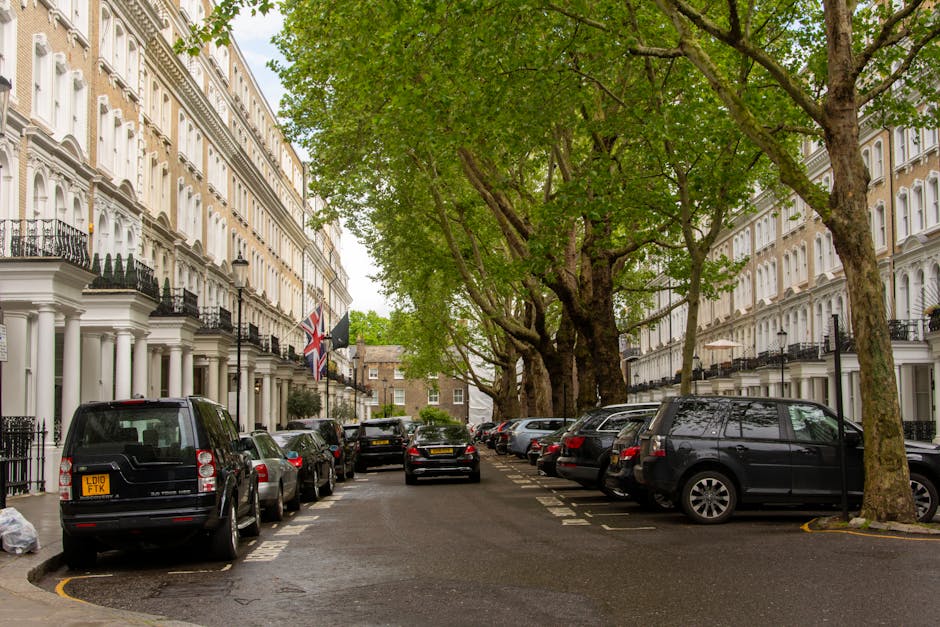
Kensington is one of those places where the street layout looks straightforward until you actually need to stop a van there. Widths are tight, bays are busy, and a parking suspension can remove the very spot you were planning to use. That is why this topic matters so much for removals and deliveries in RBKC.
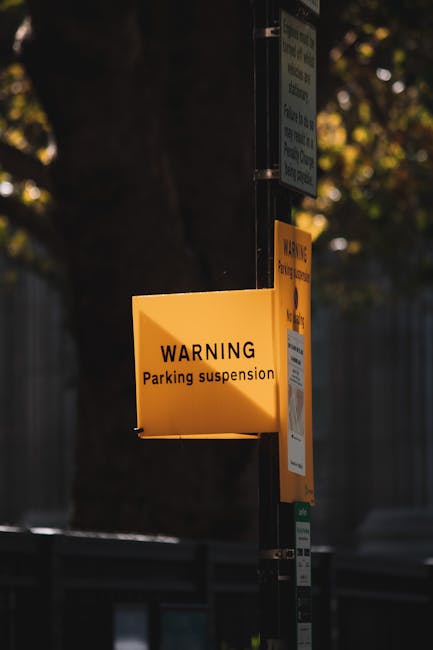
A parking suspension usually means a marked parking place, loading bay, or section of kerbside is temporarily unavailable. The reason might be road works, utilities work, a crane lift, an event, or another operational need. For the person moving flat contents or delivering a heavy item, the consequence is simple: your planned stopping point may not exist on the day.
Do you need a loading bay? In many cases, that is the right question because the loading bay is not just a convenience. It can be the difference between a tidy, efficient unload and a long carry through a busy street with a sofa balanced awkwardly on a trolley. Let's face it, nobody wants that at 8:00 in the morning with the rain starting.
It also matters because moving without checking the stopping arrangement can affect timing, labour, and vehicle choice. If the van cannot park close enough, you may need extra hands, a smaller vehicle, a second trip, or more time than planned. That creates knock-on effects across the whole move, not just on the kerb outside.
For businesses, the stakes can be even higher. A suspended bay outside an office, retail unit, or serviced building can delay deliveries, furnishings, archived materials, or equipment. If your move is tied to a fixed handover window, those delays are not merely annoying - they can be expensive. If you are planning a business move, see also commercial moves support and office relocation services for the wider logistics side.
Table of Contents
- Why RBKC parking suspensions in Kensington: do you need a loading bay? Matters
- How RBKC parking suspensions in Kensington: do you need a loading bay? Works
- Key Benefits and Practical Advantages
- Who This Is For and When It Makes Sense
- Step-by-Step Guidance
- Expert Tips for Better Results
- Common Mistakes to Avoid
- Tools, Resources and Recommendations
- Law, Compliance, Standards, or Best Practice
- Options, Methods, or Comparison Table
- Case Study or Real-World Example
- Practical Checklist
- Conclusion
- Frequently Asked Questions
How RBKC parking suspensions in Kensington: do you need a loading bay? Works
The basic idea is that RBKC may temporarily suspend parking or loading spaces to keep traffic moving or to make room for a temporary activity. In practice, that can mean cones, signs, notices, or marked restrictions that remove normal use of the bay for a period of time. The exact setup varies, but the result is the same: what looked available yesterday may be off-limits today.
For a mover or delivery team, the first task is to check whether the vehicle can legally stop close to the property. If the normal bay is suspended, you need an alternative. That alternative might be another loading bay nearby, a different legal stopping point, or a carefully timed arrival when access is easiest. Sometimes a loading bay is genuinely essential. Sometimes a smaller vehicle and a quicker carry are enough. It depends on the site.
A loading bay is usually used for short, practical stops where goods are being loaded or unloaded. In a residential setting, that may mean getting the van as close as possible to the front entrance, reducing the walking distance and keeping the transfer efficient. In a commercial setting, it can support pallet drops, equipment unloading, office clear-outs, or staged loading. If you need flexibility with vehicle size, options such as man and van, man with van, or a moving truck can fit different access situations.
There is also a timing element. Even when a loading bay is available, it may be under pressure from other users, building activity, or strict time windows. That is why experienced movers tend to plan for a backup. Truth be told, the street rarely reads the plan the way the plan reads itself.
If the move includes large household items or awkward furniture, access matters even more. Heavy wardrobes and awkward mattresses are one thing when the van is right outside; they become a very different job when carried down a long terrace or across a busy pavement. For single-item removals, furniture pick-up can be a useful fit when the loading point is tight and the job is straightforward.
Key Benefits and Practical Advantages
Using the right loading arrangement during a parking suspension is not just about compliance. It has real practical benefits.
- Shorter carry distances: Less walking means less time, less fatigue, and less chance of damage.
- Smoother timing: The crew can move items in a steady flow instead of waiting for a distant space.
- Lower handling risk: Heavy or fragile items are easier to control when the route is short and direct.
- Better use of labour: A team can focus on lifting and packing rather than shuttling items back and forth.
- Less disruption to neighbours: A well-planned stop reduces blocking, double-parking, and all the little frustrations that make streets feel cramped.
The other advantage is peace of mind. Once the vehicle plan is sorted, the rest of the move tends to feel less chaotic. People notice this most on the day itself. The air is often full of cardboard dust, tape noise, and the odd call of "where does this box go?" A clear loading plan cuts through that mess.
There is also a service-quality angle. If you are booking a removal team, the professionals can arrive with the right equipment, vehicle, and time estimate when they understand the access conditions. That is especially useful for home moves and family relocations where every hour seems to contain five jobs at once. If your move is broader, the company's home moves and house removalists services may be relevant.
For larger properties or multi-stage jobs, the right bay can also reduce how much packing has to happen in the street. That sounds obvious, but it is often overlooked. Nobody wants to unwrap protective blankets on a damp pavement while traffic waits behind them. It is awkward, and avoidable.
Who This Is For and When It Makes Sense
This topic is relevant to anyone trying to move goods into, out of, or across Kensington where roadside access is uncertain. But some people need to think about it sooner than others.
You probably need to plan for a loading bay if you are:
- moving house from a street with limited stopping space
- delivering furniture or appliances to a flat or townhouse
- clearing out an office with fixed handover times
- organising commercial deliveries to a premises with tight access
- moving large or fragile items that cannot be carried far safely
- using a larger vehicle and need space to open doors, ramps, or tail lifts
You may need less intervention if the job is small, the vehicle is compact, and the property has easy access. A quick two-man collection from a building with a decent forecourt is very different from a full flat move on a narrow residential street. That distinction matters, and it is easy to miss when booking in a rush.
For office jobs, the decision usually comes down to volume, timing, and building rules. For residential jobs, it is more about distance, item weight, and whether parking restrictions are likely to shift on the day. If you are unsure, it is better to plan conservatively. A sensible plan now saves the "why is the van three streets away?" conversation later.
If your move includes packing help, nested collections, or a larger vehicle, consider whether packing and unpacking services and removal truck hire would make the loading process simpler. Sometimes the right answer is not a bigger effort - just a better-matched one.
Step-by-Step Guidance
If you are trying to work out whether you need a loading bay for a Kensington move, the easiest approach is to think in stages.
- Check the site first. Look at the street, bay positions, road width, and how far the item needs to travel from vehicle to door.
- Identify likely restrictions. Parking suspensions, resident bays, loading-only slots, yellow lines, and time-limited restrictions all affect access.
- Estimate the load. Is it a few boxes, or a full flat? One heavy wardrobe can change the whole picture.
- Match the vehicle to the access. Bigger is not always better. Sometimes a smaller van parked closer wins.
- Decide whether a loading bay is needed. If stopping close to the property is critical, the answer is probably yes.
- Build a backup. Have an alternate stopping point, a second route, or a contingency time window.
- Confirm the day-before plan. Streets change quickly, and suspension notices can appear with little breathing room.
A useful rule of thumb: if the move starts to depend on luck, the plan is not finished yet. You want clarity, not a hopeful shrug and a parked van four minutes away.
If you are handling multiple stops, collections, or a same-day delivery sequence, write the sequence down. Even a simple note on paper can help when the driver, the client, and the building contact are all trying to remember different versions of the plan.
Expert Tips for Better Results
Here are the little things that make a real difference in Kensington.
- Plan for the worst-case parking scenario. If a bay is likely to be suspended, do not build the move around it as though nothing could change.
- Think in carry distance, not just parking distance. Ten metres feels short on a map. With a fridge, it feels longer.
- Use the smallest vehicle that still fits the job. A compact van often handles tight streets better than a larger lorry.
- Stage items near the exit. If allowed, have boxes and furniture grouped by destination before the vehicle arrives.
- Keep doorways clear. A loading bay helps, but indoor bottlenecks can still slow everything down.
- Protect fragile items early. When the street is busy, you do not want to be improvising bubble wrap at the kerb.
One simple but underrated tip: arrive slightly earlier than you think you need to. Not hours earlier - no one needs that kind of tension - but early enough to spot a last-minute change. A cone, a temporary notice, or a blocked bay can be absorbed calmly if you see it before the crew has unloaded half the van.
If the job is more involved, you may want a service mix that matches the access conditions rather than forcing a standard setup. A van-and-team arrangement can often outperform a bigger truck if the street is unforgiving. It sounds counterintuitive, but local reality usually wins over theory.
Common Mistakes to Avoid
The most common mistake is assuming the space outside the property will still be usable on moving day. In Kensington, that assumption can be expensive. Parking suspensions, construction activity, or neighbouring works can remove the best stopping point at short notice.
Another mistake is underestimating the impact of item size. A move can look small on paper and still behave like a large job if it includes bulky furniture, awkward corners, or upper-floor access. That is where a loading bay starts to matter a lot more than people expect.
- Do not wait until the day to check access.
- Do not assume a loading bay and a normal parking bay are interchangeable.
- Do not choose a vehicle without considering the street layout.
- Do not forget the building entrance, stairs, lift access, and door widths.
- Do not plan a tight time window with no backup.
There is also a communication mistake that crops up all the time: nobody owns the access plan. The client thinks the mover is handling it. The mover thinks the building team has checked it. The building team assumes the street contractor knows. And then, on the day, everyone is standing in the same pavement patch saying "I thought this was sorted." A classic. Avoidable, too.
Tools, Resources and Recommendations
You do not need an elaborate toolkit, but a few practical items and habits help a lot.
- Printed or saved notes: Keep the address, access instructions, and contact details in one place.
- Simple measuring tape: Useful for checking item sizes against doorways, lifts, or van space.
- Floor protection and blankets: Handy for short carries where items need extra care.
- Box labels: They save time when the load is being staged and sorted quickly.
- Mobile phone charged up: Sounds basic, but a dead phone can ruin a good plan fast.
For many Kensington moves, the best practical recommendation is to match the service to the access level. A smaller-scale collection may suit man and van support. A fuller household move may benefit from home moves planning. A business relocation may need a more structured commercial moves approach.
If you want to understand the business and team behind the service, you can also review about us. And if you need to discuss the details of your access conditions, the contact us page is the right place to start.
Law, Compliance, Standards, or Best Practice
When parking suspensions and loading arrangements are involved, the safest approach is to treat local restrictions seriously and plan around them, not around wishful thinking. In the UK, roadside loading and stopping rules can be affected by local signage, civil enforcement, road markings, and temporary traffic management. That means the exact practical answer depends on the location, the sign, the time, and the vehicle activity.
For residents, movers, and businesses alike, good practice usually means:
- checking the current street conditions before arrival
- using only lawful stopping points
- allowing enough time for loading without blocking access
- keeping the route between vehicle and property clear where possible
- respecting neighbours, pedestrians, and other road users
It is also wise to distinguish between convenience and entitlement. Just because a space would be helpful does not mean it can be used. If a suspension is in force, the practical response is to adapt the plan, not to hope enforcement is looking the other way. That is not a strategy. It is a gamble.
Best practice is especially important for commercial and office moves, where building rules, access schedules, and handover obligations may add another layer of pressure. If your job involves desks, archive boxes, IT equipment, or multi-stop deliveries, planning the loading point early is simply the professional thing to do.
Options, Methods, or Comparison Table
When parking is uncertain, you generally have a few ways to handle the move. The right choice depends on the size of the job and how tight the access is.
| Option | Best for | Strengths | Limitations |
|---|---|---|---|
| Loading bay near the property | Medium to larger moves, heavy items, short time windows | Fast transfer, shorter carry, easier control | May be restricted, suspended, or busy |
| Small van with nearby legal stop | Light moves, furniture collections, tighter streets | More flexible in narrow roads | Longer carry if stop is not close enough |
| Large truck and extended loading plan | Full-house or commercial moves with volume | Higher capacity, fewer trips | Needs more space and clearer access planning |
| Split move with staged loading | Complex jobs, multiple floors, mixed item sizes | Flexible and manageable | More coordination required |
If I had to simplify it, I would say this: choose the option that minimises risk at the street level. A clever plan inside the building is no use if the van cannot stop anywhere sensible. The kerbside reality comes first.
Case Study or Real-World Example
Here is a realistic Kensington scenario. A small family is moving from a first-floor flat on a busy residential street. The original plan is to park directly outside, use a medium van, and complete the load in one morning. Then a parking suspension appears on the same bay for nearby maintenance work. Suddenly, the van cannot stay where everyone expected.
Rather than force the original plan, the move is adjusted. The team switches to a smaller vehicle that can legally use a nearby stopping point, the boxes are staged the night before, and the heavier furniture is loaded first. A loading bay alternative is identified in advance, so the crew does not waste time hunting around after arrival. The result is still a busy morning, but not a chaotic one.
What made the difference? Three things: early checking, realistic vehicle choice, and a backup stop. Nothing glamorous. Just solid planning. In our experience, that is usually what separates a move that feels under control from one that turns into a street-side puzzle.
For a similar type of job with fewer items, a furniture pick-up arrangement might be enough. For a larger planned relocation, a moving truck may be better if the access is secure. And if the items need both collection and room setup, then packing and unpacking services can save a surprising amount of time.
Practical Checklist
Use this checklist before the move day. It is not fancy, but it works.
- Confirm whether a parking suspension affects the street or bay you planned to use.
- Check if a loading bay is available, suspended, or likely to be busy.
- Measure large items and note any awkward access points.
- Choose the smallest suitable vehicle for the access conditions.
- Decide who will direct the loading and who has the site contact details.
- Prepare a backup stopping point in case the first choice is not available.
- Stage boxes, labels, and protective materials before the vehicle arrives.
- Allow extra time if the street is narrow, busy, or prone to restrictions.
- Keep neighbours, residents, or building management informed where relevant.
- Have a final day-of check ready, because these things can shift overnight.
Practical summary: if your move depends on short kerbside access, a loading bay plan is usually worth sorting early. If the vehicle can park close and legally without one, you may not need it. The key is to decide based on access, not assumption.
Get a free quote today and see how much you can save.
Conclusion
RBKC parking suspensions in Kensington can feel like a small detail until they sit right in the middle of your move. Then they become the detail. The question of whether you need a loading bay is really a question about access, timing, vehicle choice, and how much risk you are willing to carry - sometimes literally.
If the job is straightforward, a nearby legal stopping point and a compact vehicle may be enough. If the move involves bulky furniture, multiple floors, business equipment, or a strict handover window, a loading bay or equivalent loading arrangement is often the safer, calmer choice. Not perfect. Just better.
The best outcomes usually come from planning early, checking the street properly, and keeping one backup option in your pocket. That way, if the kerb outside is suddenly unavailable, you are not starting from zero. And that, honestly, is a relief on a busy Kensington morning.
Sometimes the smartest move is simply the one that gives you the least to worry about.
Frequently Asked Questions
What does an RBKC parking suspension mean for a move in Kensington?
It usually means a normal parking or loading space is temporarily unavailable. For a move, that can affect where the van stops and how close it can get to the property.
Do I always need a loading bay for a Kensington move?
No, not always. If the vehicle can stop legally nearby and the carry distance is manageable, you may not need one. But if the street is tight or the job is larger, a loading bay can make a big difference.
How do I know if my street has a parking suspension?
You should check the street on the day and, where possible, well before it. Look for temporary signage, cones, marked restrictions, and any building or works notices affecting kerbside space.
Is a loading bay the same as a parking bay?
Not really. A loading bay is intended for loading and unloading within the applicable rules, while a parking bay is for parking use. If one is suspended, it may not be available at all.
What if the loading bay is already taken when the van arrives?
That is why a backup plan matters. A smaller vehicle, an alternative legal stopping point, or a revised arrival window can prevent delays if the first option is unavailable.
Can a man and van service still work with parking suspensions?
Yes, often it can. In fact, a man with van or man and van setup can be very useful when access is tight, because the vehicle is usually easier to place in narrow Kensington streets.
What is the best option for a full house move if parking is restricted?
A planned residential move with the right vehicle and loading strategy is usually better than improvising on the day. If the move is larger, home moves and house removalists support can help match the vehicle and crew to the access conditions.
How far in advance should I check the access plan?
As early as possible. A preliminary check during booking, then a final check before the move, is a sensible approach. Streets in Kensington can change quickly.
What happens if the van has to park further away?
You may need extra carrying time, more labour, or a smaller number of trips. It does not always cause problems, but it can make the job slower and more tiring.
Are there extra considerations for office moves and commercial deliveries?
Yes. Office and commercial jobs often involve larger volumes, fixed handover times, and building access rules. That is why commercial moves and office relocation services need more detailed access planning than a simple drop-off.
What should I do if I am not sure whether I need a loading bay?
Assess the street, the item size, the vehicle, and the carry distance. If there is any doubt, plan as though you do need one or at least need a backup loading option. That is usually the safer call.
Where can I get help if I want the move planned properly?
You can review the service information on about us and then use contact us to discuss your access situation. A clear conversation upfront saves a lot of hassle later.