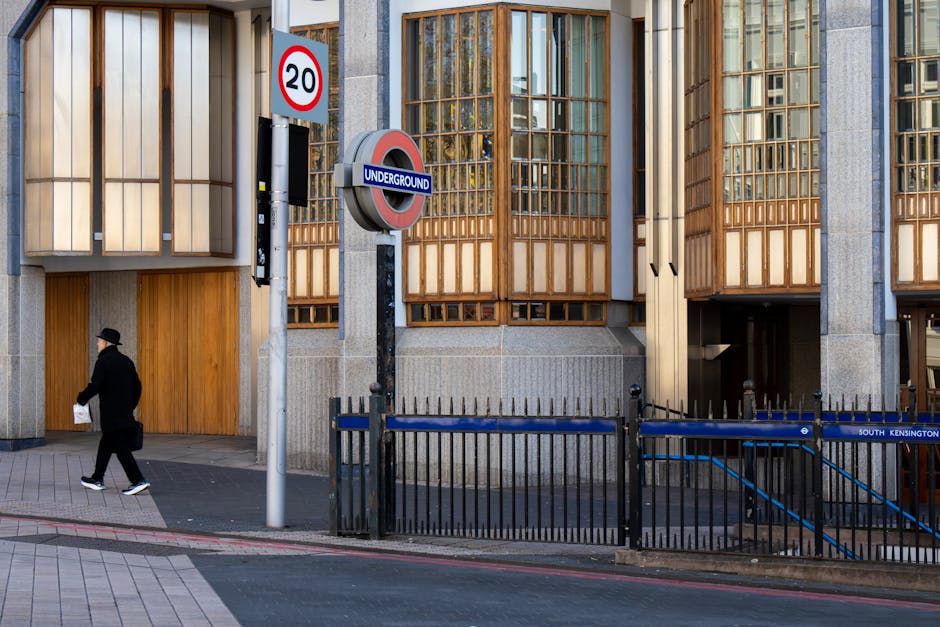
High Street Kensington station removals best loading windows
If you are planning a move near High Street Kensington station, timing is not just helpful, it can make the whole day feel manageable. The best loading windows for High Street Kensington station removals are usually the difference between a calm, organised pickup and a slow crawl of double parking, missed slots, and stressed-out neighbours. In this guide, we'll break down what those loading windows mean in practice, why they matter so much in this part of London, and how to plan a move that actually runs to time. Truth be told, the road outside can look perfectly fine at 7am and then turn into a headache by breakfast.
Whether you are moving a flat, shifting office equipment, or arranging a man and van pickup, the details matter. The good news is that with the right plan, you can usually avoid the worst of the congestion and make better use of the available loading bay time. If you want a broader view of services for different move types, it can help to look at home moves or commercial moves alongside your timetable.
Table of Contents
- Why High Street Kensington station removals best loading windows Matters
- How High Street Kensington station removals best loading windows Works
- Key Benefits and Practical Advantages
- Who This Is For and When It Makes Sense
- Step-by-Step Guidance
- Expert Tips for Better Results
- Common Mistakes to Avoid
- Tools, Resources and Recommendations
- Law, Compliance, Standards, or Best Practice
- Options, Methods, or Comparison Table
- Case Study or Real-World Example
- Practical Checklist
- Conclusion
- Frequently Asked Questions
Why High Street Kensington station removals best loading windows Matters
High Street Kensington is one of those places where the movement of people never really stops. Morning commuters, buses, delivery vans, taxis, shoppers, residents, all of it adds up. So if you're organising removals near the station, the loading window you choose affects almost everything: access, speed, parking risk, and how much lifting your team needs to do. A short, sensible window can be the difference between loading in one smooth run and having to break the job into awkward chunks.
The phrase "best loading windows" is really about more than clock time. It means finding the period when the bay or kerbside access is most usable, traffic is least hostile, and your team can work safely without blocking the street longer than necessary. In a busy Kensington setting, even a 20-minute delay can have a knock-on effect. Let's face it, nobody wants a piano stuck halfway on a trolley while a queue builds behind the van.
It also matters for neighbour relations. A well-timed move is quieter, tidier, and less likely to create complaints. That can be especially useful in mansion blocks, mixed-use buildings, and narrow side streets off the main road. A move that feels organised is usually one that was planned around the loading window first, not last.
Practical takeaway: the best loading window is not just the earliest available slot. It is the slot that gives you the safest access, least traffic pressure, and the cleanest path from property to vehicle.
How High Street Kensington station removals best loading windows Works
In simple terms, loading windows are the periods when a removal vehicle can stop, load, or unload with the least disruption and the best chance of staying within local parking or access rules. Around a station area, those windows are shaped by commuter peaks, retail footfall, school runs, delivery traffic, and the timing of building access. On paper, a morning move may sound ideal. In reality, the first hour of the day can still be busy if you are trying to use the same stretch of road as everyone else.
The process usually starts with checking the property layout. Is there a loading bay nearby? Can the van stop right outside? Is there a lift in the building, and if so, is it available early enough? Then you match that with the least crowded part of the day. For some homes, an early slot works because the street is quieter. For some offices, a slightly later start can be better if reception access or building management opens later. There is no magic hour that suits every move.
For larger jobs, vehicle choice also affects the loading window. A smaller vehicle such as a man and van can sometimes fit into tighter access more easily, while a bigger job may suit a removal truck hire arrangement or a moving truck depending on volume and access. If furniture is being collected separately, it can be worth splitting that out through furniture pick up so the main loading window stays focused.
In practice, the best loading window is the one that lines up with three things at once: access, traffic, and labour. If one of those slips, the move slows down. Simple enough, but easy to underestimate.
Key Benefits and Practical Advantages
Planning the best loading window near High Street Kensington station offers a few clear advantages, and not just in theory. The first is time control. When you choose a sensible slot, the crew can work in a more predictable rhythm. That matters because moving is often full of awkward little delays: a missing key, a lift that needs booking, a box that is heavier than it looked. Good timing gives you breathing room.
The second benefit is safety. Less traffic pressure means fewer rushed lifts, fewer crossovers with pedestrians, and less chance of a vehicle needing to edge into the road in a hurry. That sort of thing sounds minor until you are actually standing there with a sofa and a narrow pavement. Then it becomes very real, very fast.
Third, the right loading window can reduce stress for everyone involved. Customers tend to feel calmer when they can see that the job has a clear start and finish. Removal teams work better too. You will notice the difference. People are less jumpy when they are not trying to beat a traffic wave every five minutes.
For households, it can also protect the rest of the day. An efficient loading window means you are more likely to arrive at the new property on schedule, which helps with key handovers, cleaner appointments, and the eternal question of where the kettle is. If you need support for a full domestic move, house removalists and home moves can make the process much easier to coordinate.
- Less waiting time at the kerbside
- Lower chance of parking conflicts
- Cleaner coordination with building access
- Reduced pressure on lifting and carrying
- Better chance of keeping the whole move on schedule
Who This Is For and When It Makes Sense
This topic matters to almost anyone moving within a few streets of the station, but some people benefit more than others. If you are in a top-floor flat with narrow stairs, a good loading window is essential. If you are moving an office and need desks, screens, or archive boxes out quickly, it matters even more. Commercial premises often have less tolerance for disruption, and staff can't just stand around waiting for a van to make up its mind.
It also makes sense for anyone using a smaller, more flexible service. A man with van booking can be ideal where access is tight and the load is light to medium. On the other hand, larger relocations may need a full team or a truck that can be loaded in one pass. If you are moving a workplace, the timing issue becomes a bit more complex, so services such as office relocation services can be a better fit than trying to improvise a same-day plan.
This also makes sense if you are clearing a property on a deadline, such as a tenancy handback or completion day. Those moves leave very little margin for error. The loading window becomes part of the timeline, not just a detail. And if you have packing still going on while the van is waiting outside, well, that is when the nerves really start to talk.
Step-by-Step Guidance
Here is a practical way to plan your loading window without overcomplicating it.
- Check the property access first. Look at the entrance, stairs, lift, kerb space, and whether the vehicle can stop close enough to make loading efficient.
- Map the likely busy periods. Around High Street Kensington station, earlier and later commuter periods can be particularly awkward. Mid-morning or early afternoon may be calmer, but that depends on the day and the street.
- Match the slot to the size of the move. A studio flat may only need a brief window. A larger family move or office relocation will need a longer, more forgiving slot.
- Build in packing slack. If boxes are not ready when the van arrives, the loading window is wasted before it even starts. Use packing and unpacking services if you need help getting ahead of the clock.
- Confirm who is doing what. Somebody should be guiding the crew, watching the clock, and keeping an eye on access. One person doing all three is not ideal.
- Leave a cushion for the unexpected. Lift delays, traffic, and awkward furniture happen. A sensible buffer saves a lot of grief.
If the move is business-related, it can help to separate the loading window from the rest of the operation. For example, a courier-style collection of surplus items might be better handled through furniture pick up, while a larger office job may need the broader scope of commercial moves. Different jobs, different clocks.
A small but useful habit: walk the route from front door to vehicle before the move starts. You'll spot uneven paving, tight corners, and those annoying half-hidden obstructions that look harmless until you're wheeling a wardrobe past them. It sounds obvious. People still miss it all the time.
Expert Tips for Better Results
In our experience, the most successful moves near the station are the ones that stay slightly simpler than planned. That may sound unglamorous, but simple wins. Try to keep the loading area clear. If there are bags, recycling, bikes, or garden items in the way, move them before the van arrives. It is amazing how much time can disappear while someone hunts for a key, a trolley, or a misplaced lamp shade.
Another good habit is to separate fragile items early. When you are under time pressure, breakables become a source of panic. Wrap them in advance, label them clearly, and avoid loading them last unless there is a good reason. Small boxes should travel where they cannot be crushed. Common sense, yes, but under pressure common sense can get a bit wobbly.
For larger vehicles, think about turning space as well as stopping space. A van that fits the bay may still be awkward to manoeuvre if it has to reverse, swing wide, or pause in a traffic lane. That is where moving truck planning becomes important. If you are unsure, smaller vehicle options can sometimes be the smoother answer, even if they look less impressive on paper.
One more thing: if you are moving during wet weather, which is always a possibility in London, loading will take longer. Slippery steps, damp boxes, and heavier floors all slow things down. A good team will plan for that, but you should too. Not every move happens on a sunny, postcard-perfect morning. Sadly.
Common Mistakes to Avoid
The biggest mistake is assuming the "best" loading window is simply the earliest one. Early can be good, but only if the building is open, the street is not already choked with traffic, and your team is ready. An early slot with a closed lift and no one on site is not a win. It is just an early headache.
Another mistake is overfilling the schedule. If you try to combine packing, key collection, loading, cleaning, and handover in a single tight window, the day can unravel quickly. It is better to keep one part of the move flexible than to force every stage into a perfect chain. Real life rarely cooperates that neatly.
People also underestimate the effect of access restrictions. A bay may exist, but it might not suit the size of the vehicle. A loading point may be near the station, but not close enough for efficient carrying. Or the property might have a time restriction that sounds minor until it eats twenty minutes of your load. These are small details until they are not.
- Do not assume early is always best
- Do not leave packing until the vehicle arrives
- Do not forget lift bookings or building access rules
- Do not choose a vehicle without checking kerbside space
- Do not ignore the return journey timing if there is a second stop
Tools, Resources and Recommendations
You do not need fancy equipment to plan a strong loading window, but a few practical tools help. A basic move sheet with times, addresses, contact numbers, and key access notes is invaluable. So is a floor plan, even a rough one. The team needs to know where the heavy items are and which route avoids the tight turns.
For furniture-heavy jobs, it can help to use the right vehicle size rather than trying to force everything into one option. A removal truck hire arrangement may suit larger loads, while a smaller van can be easier for short-window collections. If the job is especially straightforward, a man and van service can be the tidy, no-drama answer.
If you are not sure what level of support you need, a quick conversation with the team can clarify a lot. The right questions are simple: How long will loading take? What vehicle fits the street? Can we load in one go, or should we split the job? Honest answers matter more than trying to sound impressive.
For general company details and service information, you can also review about us and contact us pages before booking. And if you like reading the small print before you sign anything, the terms and conditions and privacy policy are there for a reason. Not the fun part, but a useful part.
Law, Compliance, Standards, or Best Practice
For moves near a busy London station, the main compliance concern is usually practical rather than dramatic: parking restrictions, loading rules, access permissions, and building management requirements. Local conditions can change quickly, and different streets or properties may have different expectations. So it is sensible to treat every move as a fresh check, not a copy-and-paste from the last one.
If you are arranging a commercial move, there may also be workplace duties around safe handling, access control, and minimising disruption to staff or customers. Even for domestic moves, it is wise to keep walkways clear, avoid unsafe lifting, and make sure the team is not rushing through a hazard because the window is tight. Best practice is often just common sense done properly.
There are also insurance and liability considerations, especially if valuable furniture, electronics, or specialist items are involved. If you are unsure what is covered, ask before the day, not after something has been knocked. That awkward silence afterwards is not much fun, to be fair.
In buildings with concierge teams or management offices, pre-booking access and confirming any loading instructions is a good standard approach. It may seem a bit formal, but it saves time and avoids the classic "I thought someone else had arranged that" moment. We have all been there.
Options, Methods, or Comparison Table
Different move types need different loading approaches. Here is a simple comparison to help you decide what makes sense near High Street Kensington station.
| Method | Best for | Strengths | Trade-offs |
|---|---|---|---|
| Man and van | Small to medium moves, flexible access | Often easier to position near tight streets; good for quick loading | Less capacity than larger vehicles |
| Man with van | Single-room moves, furniture swaps, smaller relocations | Simple, efficient, and often well-suited to short loading windows | May not suit bulky or high-volume loads |
| Removal truck hire | Larger house moves or multi-stop relocations | Better capacity for one-pass loading | Can be harder to place in very tight kerbside spaces |
| Moving truck | Bulkier household or office loads | Good for organised, larger-scale moves | Needs stronger access planning |
There is no perfect winner in every case. If access is the main challenge, smaller and more flexible can be better. If total volume is the issue, a bigger vehicle may actually save time by reducing the number of trips. It depends on the street, the load, and the people on the ground. Simple? Sort of. But only after you look at the details.
Case Study or Real-World Example
Picture a flat move just off High Street Kensington station on a weekday morning. The client has a two-bedroom flat, a lift booking, and a modest amount of furniture. At first glance, the natural instinct is to start early and finish fast. But the building entrance is shared, the street is busy with commuter traffic until mid-morning, and the van cannot remain parked for long without causing a nuisance.
Instead of forcing the earliest possible start, the move is scheduled for a slightly later loading window. Boxes are packed the day before. The heaviest items are grouped by room. A smaller vehicle is chosen, which can stop more cleanly near the entrance and reduce the carry distance. The result is not magical, just sensible. Loading happens in a smoother rhythm, the team spends less time waiting for space, and the client arrives at the new property without that frazzled, late-to-everything feeling.
That kind of move is typical. Not perfect, not dramatic, just well timed. And honestly, that is what you want more often than not. The best moving days are the ones that feel almost boring while they are happening.
Practical Checklist
Use this quick checklist before your move day. It keeps the loading window grounded in reality.
- Confirm the exact address and access point
- Check whether a lift or concierge needs booking
- Choose a loading window that avoids the busiest traffic periods where possible
- Decide whether a smaller van or larger truck is more suitable
- Pack and label boxes before the vehicle arrives
- Clear hallways, entrances, and kerbside access
- Keep keys, phone numbers, and instructions ready
- Prepare for delays, weather, or building access changes
- Make sure fragile items are protected separately
- Confirm the plan with the move team the day before
If you can tick most of these off, you are already ahead of the game. A move does not have to be chaotic. It just needs a bit of structure and a calm head.
Conclusion
The best loading windows for High Street Kensington station removals are the ones that respect the reality of the area: traffic, access, building rules, and the sheer pace of daily life around the station. If you plan around those factors instead of fighting them, your move becomes easier, safer, and much less tiring. That is true for homes, offices, and furniture collections alike.
The main lesson is simple. Choose the loading window based on the street, the building, and the size of the job, not just on convenience alone. A well-timed move can save you stress, protect your belongings, and keep the day from spiralling into a long, frustrating wait. And that is worth a lot when you are carrying boxes on a London pavement in the middle of the day.
Get a free quote today and see how much you can save.
If you are planning a move near the station, it is worth getting the timing right from the start. A little care at the beginning tends to make the whole day feel lighter, which, in moving terms, is half the battle.
Frequently Asked Questions
What are the best loading windows for removals near High Street Kensington station?
The best loading window is usually the one that avoids the busiest commuter and delivery periods while still giving your team enough access time. For many moves, that means choosing a calmer mid-morning or early afternoon slot, but the right answer depends on the property, the street, and the vehicle size.
Why does timing matter so much in this area?
Because the station area is busy throughout the day and access can be tight. Even a small delay can make kerbside loading harder, increase waiting time, and put pressure on the whole move. Good timing helps everything run more smoothly.
Should I always book the earliest possible slot?
Not always. An early slot is only useful if the building is open, the team is ready, and the street is workable. Sometimes a slightly later slot is more efficient because it avoids the worst traffic and access conflicts.
Is a man and van service enough for a move near the station?
For smaller loads, yes, it often is. A man and van or man with van can be a very sensible option where access is tight and the load is manageable. Bigger moves may need more capacity.
How far in advance should I plan the loading window?
As early as you reasonably can. The more involved the move, the more useful it is to plan ahead. That gives you time to check access, match vehicle size, and avoid last-minute compromises.
What if my building has a lift booking or concierge rule?
Factor that in before setting the move time. Building rules can be the deciding factor in whether a loading window works well or becomes a bottleneck. It is better to work around them than to discover them on the day.
Are bigger vehicles always better for removals?
No. Bigger vehicles can reduce the number of trips, but they are not always the easiest to position near a busy station area. Sometimes a smaller vehicle is faster overall because it can load more cleanly and with less manoeuvring.
What should I do if I have furniture that needs collecting separately?
Separate it from the main move if that helps keep the timetable simple. A dedicated furniture pick up can reduce pressure on the main loading window and make the rest of the move easier to manage.
Do commercial removals need different timing from home moves?
Usually, yes. Commercial moves often need to work around staff schedules, customer access, building rules, and business continuity. Services such as office relocation services or commercial moves are often planned with more structure.
How can I make loading faster on the day?
Pack in advance, clear the route to the vehicle, label boxes clearly, and confirm who is responsible for access and keys. If the team can load straight away, the window goes a lot further. It sounds basic because it is basic, but it works.
What if the weather is bad on move day?
Allow extra time. Wet pavements, slippery steps, and heavier boxes can slow loading down. A good plan already includes some margin, so bad weather becomes an inconvenience rather than a disaster.
Where can I find help choosing the right moving setup?
If you are unsure what vehicle or service is best, start by comparing your move size with your access conditions. You can review the available service options, then decide whether you need a removal truck hire, a smaller van-based option, or a full move plan. A quick conversation before booking usually clears things up fast.