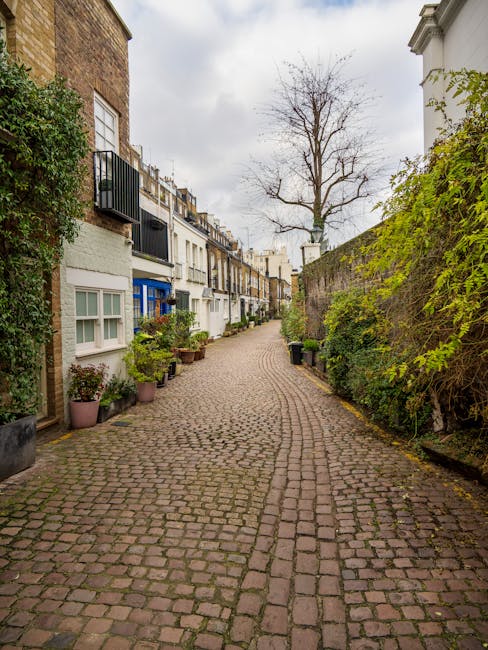
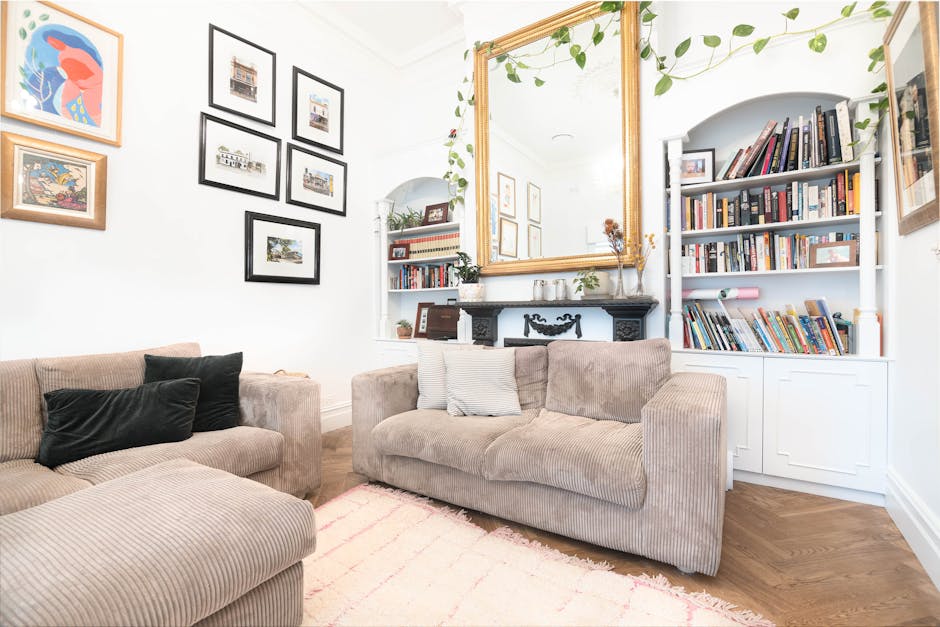
Case study: moving a Victorian bookcase from a W8 mews in Kensington
Moving a Victorian bookcase sounds straightforward until you meet the reality of a narrow W8 mews, a tight turning circle, a staircase that does not forgive mistakes, and a piece of furniture that is heavier and more awkward than it first looks. This case study on Case study: moving a Victorian bookcase from a W8 mews in Kensington walks through the practical side of the job: access, protection, handling, timing, and the small decisions that make the difference between a careful move and a stressful one.
If you are dealing with a period piece, a London mews property, or a move where preserving finish and structure matters as much as getting the item from A to B, this guide is for you. Let's face it, a Victorian bookcase is not just "furniture" in the casual sense. It is often tall, top-heavy, sensitive to knocks, and expensive to repair if the wrong person grabs the wrong end.
Below, you will find a clear breakdown of how a move like this is planned, what usually goes wrong, what good practice looks like, and how to judge whether you need a simple two-person lift or something closer to a full specialist removal approach. For broader home moving support, it can also help to look at home moves, especially when the bookcase is only one part of a larger relocation.
Table of Contents
- Why this move matters
- How the move works in practice
- Key benefits and practical advantages
- Who this is for and when it makes sense
- Step-by-step guidance
- Expert tips for better results
- Common mistakes to avoid
- Tools, resources and recommendations
- Law, compliance, standards, or best practice
- Options, methods, or comparison table
- Case study or real-world example
- Practical checklist
- Conclusion
- Frequently asked questions
Why Case study: moving a Victorian bookcase from a W8 mews in Kensington Matters
A Victorian bookcase can look deceptively manageable. Then you try to move it through a mews entrance, around a parked car, and through a hallway with one awkward turn, and suddenly the job becomes a proper logistics puzzle. In Kensington, where many properties combine period character with constrained access, the furniture move itself is only half the story. The other half is making sure the route works.
This matters for three reasons. First, period furniture can be fragile in ways modern flat-pack items are not. Veneer chips, loose joints, bowed shelves, and decorative mouldings all need a calmer touch than a standard domestic lift. Second, W8 mews properties often have limited outside space, which means the loading plan matters just as much as the lifting technique. Third, the move has to fit around the real world: neighbours, parking, narrow lanes, stair widths, and the fact that everyone is trying to keep the hallway scuff-free.
There is also a trust factor. If you own a piece with history, you do not want guesswork. You want a move plan that respects the furniture and the property. That usually means careful measuring, clear communication, and a team that understands how to work in tighter London access conditions without turning the place into a chaos zone.
Expert summary: The real challenge in a Victorian bookcase move is rarely brute strength. It is access, protection, balance, and timing. Get those four right and the rest tends to follow much more smoothly.
How Case study: moving a Victorian bookcase from a W8 mews in Kensington Works
A good move like this usually starts before anyone touches the furniture. The first step is a visual survey. What is the height, width, and depth of the bookcase? Is it one solid piece or does it come apart? Are shelves fixed or loose? Is the timber dry and stable, or does it wobble when lifted? These details are not small. They determine whether the item can be carried upright, tilted slightly, or requires partial dismantling.
Next comes route planning. In a mews, the route may be short in distance but complicated in shape. A doorway might be fine, but the turn immediately beyond it might be the issue. A stair run could be straight yet too tight at the landing. Good movers think in three dimensions, not just floorplan logic. That sounds obvious, but in practice it saves a lot of grief.
Then comes protection. Edges are wrapped, corners padded, and floor coverings may be placed where scuffs are likely. The goal is not to cocoon the piece so tightly that it becomes harder to hold. The goal is to keep vulnerable parts safe while still allowing a stable, confident grip. To be fair, over-wrapping can be a problem of its own if it makes the item bulkier than necessary.
Finally, the load is moved in a controlled way. One person may guide the top and another support the base, with pauses at awkward points. If the bookcase is being taken out to a vehicle, the van or truck needs to be positioned so the carry is short and direct. For larger or mixed moves, a man and van approach can be the right balance of flexibility and practicality, while a more complex job may suit moving truck capacity instead.
Key Benefits and Practical Advantages
There are some obvious benefits to handling a Victorian bookcase properly, but the useful advantages are often the ones people do not think about until afterwards.
- Less risk of damage: Period furniture often has fragile joints, veneer, and decorative detail that do not like sudden jolts.
- Better control in tight spaces: A measured approach helps in mews lanes, narrow stairwells, and hallways with limited turning room.
- Reduced stress: You are not standing there wondering whether the item will catch on the bannister or mark the wall.
- Cleaner finish: Good moving practice keeps floors, corners, and paintwork in better condition.
- More predictable timing: Once the access plan is clear, the move tends to run more smoothly and you avoid that drawn-out, "let's try it this way" feeling.
There is a quieter benefit too: confidence. When everyone knows the route and understands the weight distribution, the move feels controlled rather than improvised. And honestly, controlled is what you want when you are dealing with something that may have been in a family home for decades.
If the move is part of a wider house relocation, there can also be practical savings when the item is moved alongside other pieces. That depends on load size, access, and timing, of course. If you are comparing service styles, a useful related read is man and van versus full-service removals in Kensington.
Who This Is For and When It Makes Sense
This kind of move makes sense for homeowners, landlords, interior designers, antique dealers, and anyone with a valuable or sentimental bookcase that cannot simply be shoved into a van and hoped for the best. It is especially relevant if the property is in a W8 mews, where the access can be awkward but not impossible. That middle ground is where careful planning pays off most.
It also makes sense if the bookcase is:
- solid wood and therefore heavy
- large enough to block turns or stair landings
- old enough to have loose joints or delicate trim
- sentimentally important, even if the cash value is hard to pin down
- part of an estate, renovation, or room reset where damage would be particularly frustrating
If you are dealing with more than a single item, the move may sit somewhere between a furniture collection and a domestic relocation. In those cases, full home support or specific handling services can be more efficient than trying to piece everything together yourself. For example, if the bookcase is one of several large items, the wider service options on furniture pick up may be useful to explore.
Step-by-Step Guidance
Here is the practical sequence that tends to work best for a Victorian bookcase move in Kensington. It is not glamorous, but it is dependable.
- Measure the bookcase accurately. Include the highest point, widest point, and any mouldings or feet that protrude.
- Measure the route. Check door widths, corridor turns, stair angles, ceiling height on landings, and any awkward thresholds.
- Assess whether it should be dismantled. Some bookcases are safer in one piece. Others are safer after shelves, glass, or top sections are removed.
- Clear the path. Move rugs, plants, small tables, and anything that could trip a carrier or snag a corner.
- Protect vulnerable surfaces. Use blankets, corner protection, and wrapping where needed, but avoid overdoing it.
- Assign lifting roles. One person should lead, one should steady, and both should know the pause points.
- Move slowly through tight sections. This is not the moment for speed. A controlled lift is safer and often quicker overall.
- Load the vehicle properly. The bookcase should be secured so it cannot shift during transit, especially if the road surface is uneven.
- Unwrap only once it is safely positioned. It sounds obvious, yet people sometimes rush this and end up nicking the wood on the final turn.
A small but useful detail: if the item is particularly tall, the ceiling height in the vehicle matters too. People often focus on doorways and forget that the van interior can also become the surprise problem. Little things. Always the little things.
Expert Tips for Better Results
In our experience, the best moves are usually the ones where someone notices the awkward detail before it becomes a problem. A few practical tips make a real difference.
- Book a loading window that suits the street: Kensington streets can get busy quickly, especially around school runs, visitors, and delivery times.
- Use two people for tall antique pieces: One person alone is asking for trouble, especially when the item has a top-heavy profile.
- Check for removable shelves and glass in advance: If there is anything loose, secure or remove it before the carry starts.
- Protect both sides of the move: It is not just about leaving the property. The delivery point matters just as much.
- Keep a clear line of communication: Simple calls like "pause", "tilt", and "set down" are more helpful than long explanations mid-lift.
Another useful tip is to think about the item's centre of gravity. Victorian bookcases can feel stable at floor level and then suddenly awkward once they are tilted. That is normal, not a sign that anyone has done something wrong. A good team adjusts, rather than forcing the issue.
If your move is affected by local access constraints, it may help to read about what to do when narrow Victorian staircases block a Kensington move. The principles overlap a lot, even when the furniture type changes.
Common Mistakes to Avoid
Most damage in furniture moves does not happen because people are careless in a dramatic way. It happens because they underestimate one awkward detail. That is the honest truth.
- Not measuring properly: "It should fit" is not a measurement.
- Ignoring trim and handles: These protrusions are often what catch first.
- Trying to force the turn: If the angle is wrong, stop and reset. Forcing it usually makes things worse.
- Using too many people with no clear leader: Too many voices can be as bad as too few hands.
- Dragging rather than lifting: Floors may suffer and the bookcase itself may twist under load.
- Skipping route protection: A simple blanket or floor covering can prevent a very annoying repair later.
- Assuming all antique furniture is robust: Age does not equal strength. Sometimes it means the opposite.
One of the more common mistakes is emotional, not technical. People get attached to the piece and then hesitate at the wrong moment. Completely understandable. But hesitation on a stair landing can be awkward. Better to stop before the tight spot, reassess, and continue only when everyone is ready.
Tools, Resources and Recommendations
You do not need a warehouse full of gear to move a Victorian bookcase safely, but you do need the right basics. The simplest kit tends to include moving blankets, stretch wrap, edge protection, lifting gloves, straps, and floor coverings. For more complex access, a trolley or a suitable removal truck setup may also help, although not every route is friendly to wheels and castors.
For a small domestic move, a flexible two-person service can be enough. If the job becomes part of a larger property move, the choice between a lighter setup and a more robust vehicle can matter quite a lot. A sensible place to start is to compare the practical differences between man with van support and a larger removal option. There is no universal winner. It depends on the item, the access, and how much else is being moved.
Here is a simple comparison table to help you think it through.
| Method | Best for | Strengths | Watch-outs |
|---|---|---|---|
| Two-person manual carry | Short moves, small access jobs, well-balanced items | Flexible, quick to position, cost-conscious | Less suitable for oversized or very fragile antiques |
| Man and van | Single-item or light household moves | Good balance of service and simplicity | Needs careful planning for tall or awkward pieces |
| Full removal team | Multiple items, stairs, complex access, time-sensitive moves | Better coordination, more handling capacity | Can be more than you need for one bookcase |
| Specialist antique handling | High-value period furniture or delicate finish | Extra care, better wrapping, more attention to finish | Not always necessary for every piece |
To be fair, many people only realise what they need after they have measured the route. That is normal. The important thing is not to guess too early.
Law, Compliance, Standards, or Best Practice
For a move like this, the main compliance concerns are practical rather than legal drama. In London, access, parking, and neighbour impact are the areas that tend to matter most. If a vehicle needs to stop in a restricted area, or if the street layout makes loading difficult, the moving plan should take that into account before the day arrives. The same is true if a property sits in a conservation-sensitive area or has building rules about access and shared hallways.
It is wise to follow ordinary safety best practice: do not overload the carrying team, use proper manual handling technique, avoid twisting while lifting, and keep the route clear. For homes with communal areas, protect shared flooring and walls as a matter of courtesy as much as anything else. In apartment buildings, lift bookings or access windows can also be important, especially where neighbours share the same entry points.
If you are comparing local moving circumstances, this is worth reading alongside conservation area move permits for Kensington properties and RBKC parking suspensions in Kensington and loading bay planning. Those articles are useful because the furniture is only half the job; the street logistics are the other half.
For bulky or difficult items, there is also the simple matter of avoiding nuisance and damage. A careless lift can create more than a scratched sideboard. It can lead to building complaints, avoidable delays, or a damaged stairwell. Nobody wants that sort of afternoon.
Options, Methods, or Comparison Table
There are a few sensible ways to approach a Victorian bookcase move, and the best one depends on size, access, and your tolerance for risk. Here is the practical comparison.
| Approach | When it works well | Pros | Cons |
|---|---|---|---|
| DIY with helpers | Small, light, forgiving routes | Low direct cost, flexible timing | Higher risk of damage, strain, or route misjudgement |
| Man and van | Single item or light furniture move in a tight London setting | Good balance of speed and support | May not suit very heavy or delicate antiques without extra care |
| Removal team | Multiple pieces, stairs, or tricky access | More hands, better coordination | Can be more service than needed for one item |
| Specialist handling | Valuable period furniture or fragile finish | Best protection and handling discipline | Usually the most premium option |
If you are uncertain, ask yourself two questions. First: how much would it cost to repair the bookcase if something went wrong? Second: how stressful would it be if the move stalled halfway through a stairwell? Those two answers usually point you toward the right method pretty quickly.
Case Study or Real-World Example
Here is a realistic example from a Kensington-style move. A Victorian bookcase needed to be removed from a mews property with a narrow entry point and a tight internal turn before the front exit. The item looked manageable at a glance, but once measured, it became clear that the top cornice and base feet would make the carry awkward unless the route was planned carefully.
The first step was to clear the hallway completely and protect the floor along the turning line. The bookcase was checked for loose shelves and minor movement in the joints. Because the item was tall, the team agreed on a two-person carry with one lead carrier at the upper section and one stabilising the lower section. There was no rush. That was the key point.
At the most awkward turn, the team paused, adjusted the angle, and took the piece through in a controlled pivot. Nothing heroic. Just patient handling. The sound of the wrap brushing the wall was almost the only noise in the stairwell, which is exactly how you want it. Once outside, the item was moved directly into the vehicle and secured so it would not shift during transit.
The result? No damaged corners, no scratched paintwork, and no strained backs. Simple story. But that is the point. Well-executed furniture moving often looks boring from the outside. Boring is excellent.
For moves that involve extra complexity, the same approach applies to other awkward items too. If the bookcase is part of a larger clear-out or replacement, you may also find bulky item removals in Kensington useful for understanding the wider practical picture.
Practical Checklist
Use this checklist before moving day. It keeps the job grounded.
- Measure the bookcase height, width, and depth
- Check whether shelves, glass, or top sections can be removed
- Measure doors, turns, stairways, and the vehicle loading point
- Clear the route inside and outside the property
- Prepare protective blankets, wrap, and floor coverings
- Decide who is leading the lift and who is guiding
- Confirm parking or loading arrangements where needed
- Plan the exact order of movement from room to vehicle
- Keep tools handy for minor dismantling if required
- Allow extra time for delicate handling and repositioning
Practical summary: If the bookcase is valuable, tall, or tight to move, do not treat it like a standard sofa. Measure first, protect second, lift last. That simple order saves a lot of trouble.
Conclusion
A Victorian bookcase in a W8 mews setting is a very specific kind of moving challenge, and that specificity is exactly why careful planning matters. The furniture may be beautiful, but beauty does not make it easier to carry. What helps is a realistic route plan, proper protection, a sensible loading method, and enough patience to deal with the awkward parts without rushing.
Whether you are moving one cherished piece or coordinating it as part of a wider home relocation, the best result usually comes from calm preparation and practical decision-making. A little measurement, a little patience, and the right handling approach go a long way. Truth be told, that is true for most good moves.
Get a free quote today and see how much you can save.
And if you are still deciding how to approach the job, remember this: a careful move is rarely the loudest one, but it is usually the one you are most glad you made.
Frequently Asked Questions
How do you move a Victorian bookcase without damaging it?
Start by measuring the item and the route, then protect the corners, remove loose shelves or glass where possible, and use a controlled two-person lift. The main risk is not just weight, but awkward balance and tight turns.
Is a Victorian bookcase usually too heavy for a man and van?
Not always. It depends on the size, wood type, and access. A man and van service can work well for a single piece, but very tall or fragile bookcases may need more hands or more specialist handling.
Do Victorian bookcases need to be dismantled before moving?
Sometimes, yes. If the item is modular or has removable shelves, glass, or a separate top, partial dismantling can make the move safer. But some antiques are better left intact if dismantling would create more risk.
What is the biggest challenge in a W8 mews move?
Access. Mews streets often have tight entry points, limited parking, and awkward turning space. The actual carrying distance may be short, but the shape of the route can make the job surprisingly tricky.
How long does it take to move one antique bookcase?
There is no fixed answer. A simple move may take under an hour once everything is ready, while a more complex route with narrow stairs or parking constraints can take longer. Preparation time matters a lot.
Should I wrap a Victorian bookcase in plastic?
Not by itself. Plastic can trap moisture if used badly. A better approach is padding with moving blankets and using wrap only where needed to keep protection in place. The aim is safe handling, not sealing it up like a parcel.
What if the bookcase does not fit through the door?
Stop and reassess. The solution may be a different angle, temporary removal of shelves or doors, or a different route entirely. Forcing it can chip the wood or damage the property. That is the moment to slow down, not speed up.
Is specialist help worth it for one item?
If the bookcase is valuable, sentimental, very heavy, or difficult to access, specialist help can be worth it. One repair to a veneer corner or stairwell wall can cost more than hiring the right help in the first place.
Can I move it up or down stairs safely?
Yes, if the route is properly measured and there are enough people to control the load. The challenge is usually the turn on the landing, not the straight run. This is where careful communication matters more than strength.
What should I ask before booking a furniture move in Kensington?
Ask how the team handles antique furniture, whether they assess access in advance, what protection they use, and how they deal with parking or loading constraints. Good answers are usually practical and specific, not vague.
Does insurance matter for a bookcase move?
Yes, it is wise to check. Accidents are not common when a move is well planned, but insurance and clear handling standards matter when you are moving something old, valuable, or difficult to replace.
What is the safest way to load a Victorian bookcase into a van?
Keep the load stable, secure it so it cannot shift, and make sure the vehicle height and space suit the item. The safest load is the one that does not move once the van is on the road.